

Inside-Out Earth
Humans are turning the planet inside out, digging vast quantities of materials out of the ground and spreading them across land, water, and air. The mass of everything ever made by people equals or exceeds that of all living things. Waste accounts for mounting proportions of this anthropogenic mass. On the inside-out Earth, waste has become the main event.
From 19th century steam engines and 20th century nuclear power plants to 21st century solar panels, extracting fuels and materials for energy systems has always meant abandoning growing quantities of unwanted matter. Massive increases in discarded matter remain invisible in “energy transition” scenarios outlining how “renewable” sources will replace fossil fuels. Yet the world currently consumes more fossil fuels—and generates more waste products—than ever before. Wood alone supplies more energy than nuclear power plants or hydroelectric dams, and solar and wind power combined. New energy systems accumulate on top of old ones. So do their wastes.
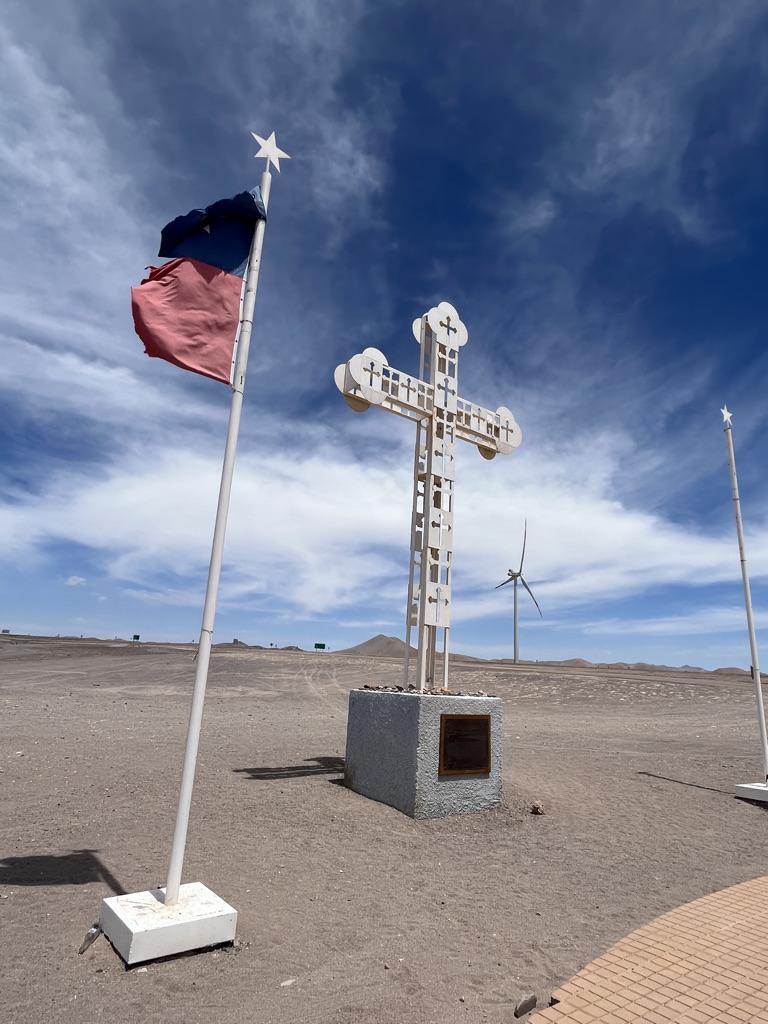
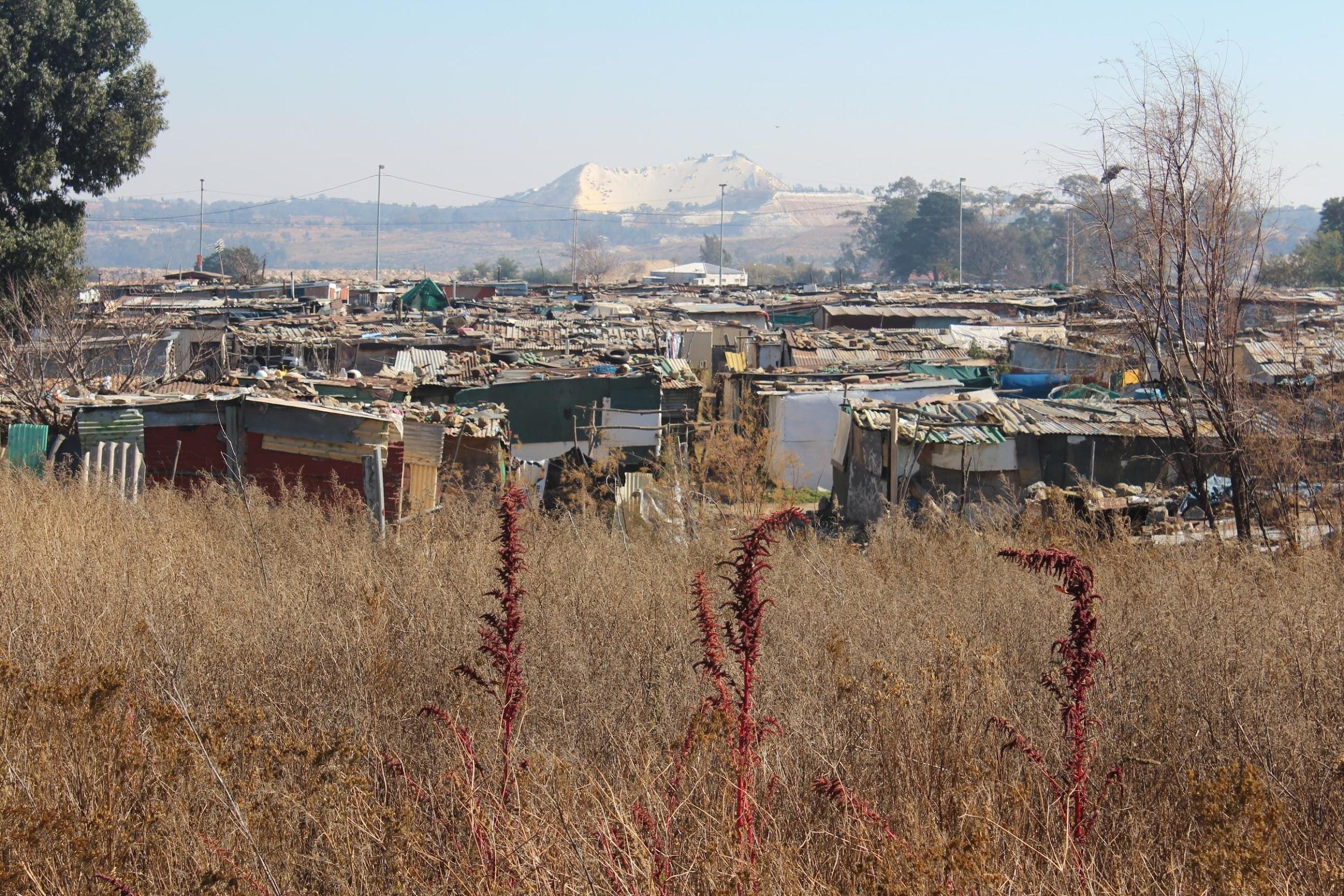
How do communities live and breathe at the front lines of these dynamics in times of transition? What could it mean—what should it mean—to respond to our planetary crisis in ways that respect and incorporate local environmental justice priorities? This collaborative project explores the ongoing accumulation of wastes from energy in three parts of the world: Abidjan, the economic capital of Côte d’Ivoire; Mpumalanga province, South Africa; and Chile’s Atacama Desert.